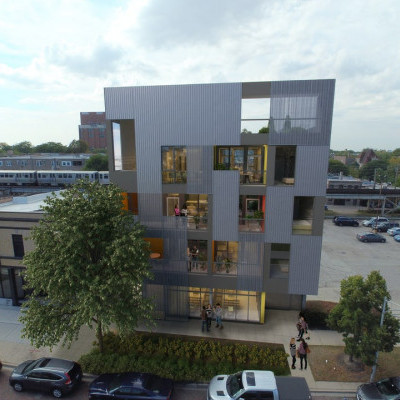
Bridgeview Bank is a gem of architectural history located in the Uptown neighborhood of Chicago. This gorgeous building, designed by Marshall & Fox and constructed in 1924 for the Sheridan Trust and Savings Bank, was declared a Chicago Landmark in 2008. The Cedar Street and Level teams are revitalizing this iconic landmark into a modern live/work community that will exist within the historic fabric of the building.
Because of its cultural significance, the project is being reviewed by the National Parks Service, which oversees national historic landmarks, in order to obtain federal tax credits totaling up to 20% of the cost of construction. The exterior and interior of the building’s key areas — including the lobbies, banking hall, and corridors — must retain their original architectural character while the building is adapted for contemporary living and working practices. Throughout the project, Level has supervised a range of approvals needed for Chicago, state, and federal reviews.
In addition to the National Parks Service, Bridgeview Bank’s adaptive reuse is also being reviewed by the Commission on Chicago Landmarks, as well as the State Historic Preservation Office in Illinois. MacRostie Historic Advisors consulted on the project and helped guide the process of submitting to these organizations.

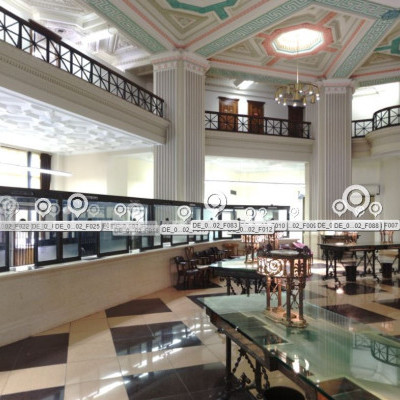
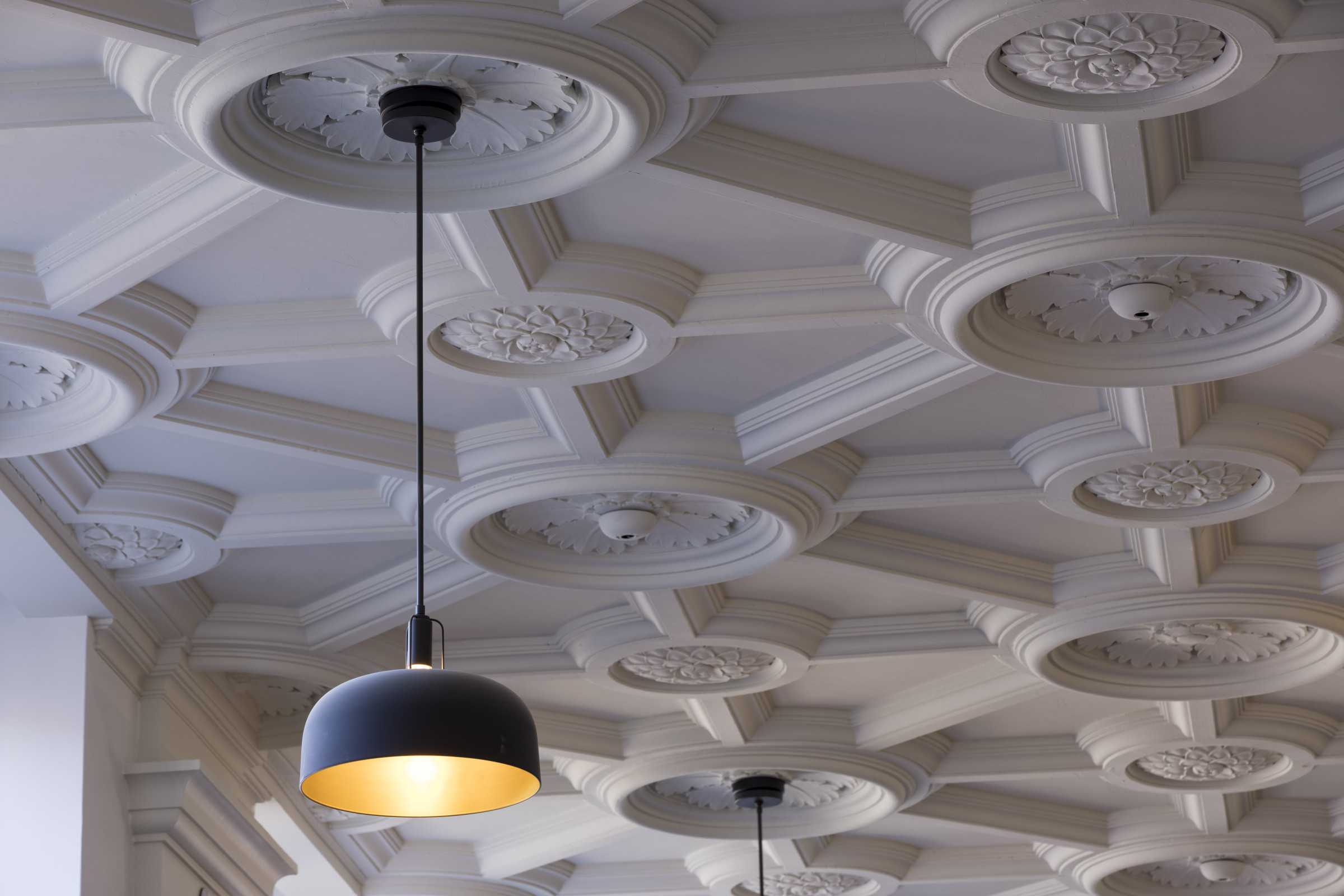
It was clear from the start that the banking hall is the true treasure of the project. Located on the building’s second floor and featuring a third-floor mezzanine, it’s a stunning example of classic Beaux Arts architecture that retains much of its original detail and ornament — including a jaw-dropping plaster ceiling, bank teller stations, historic check writing desks, and decorative plasterwork throughout.

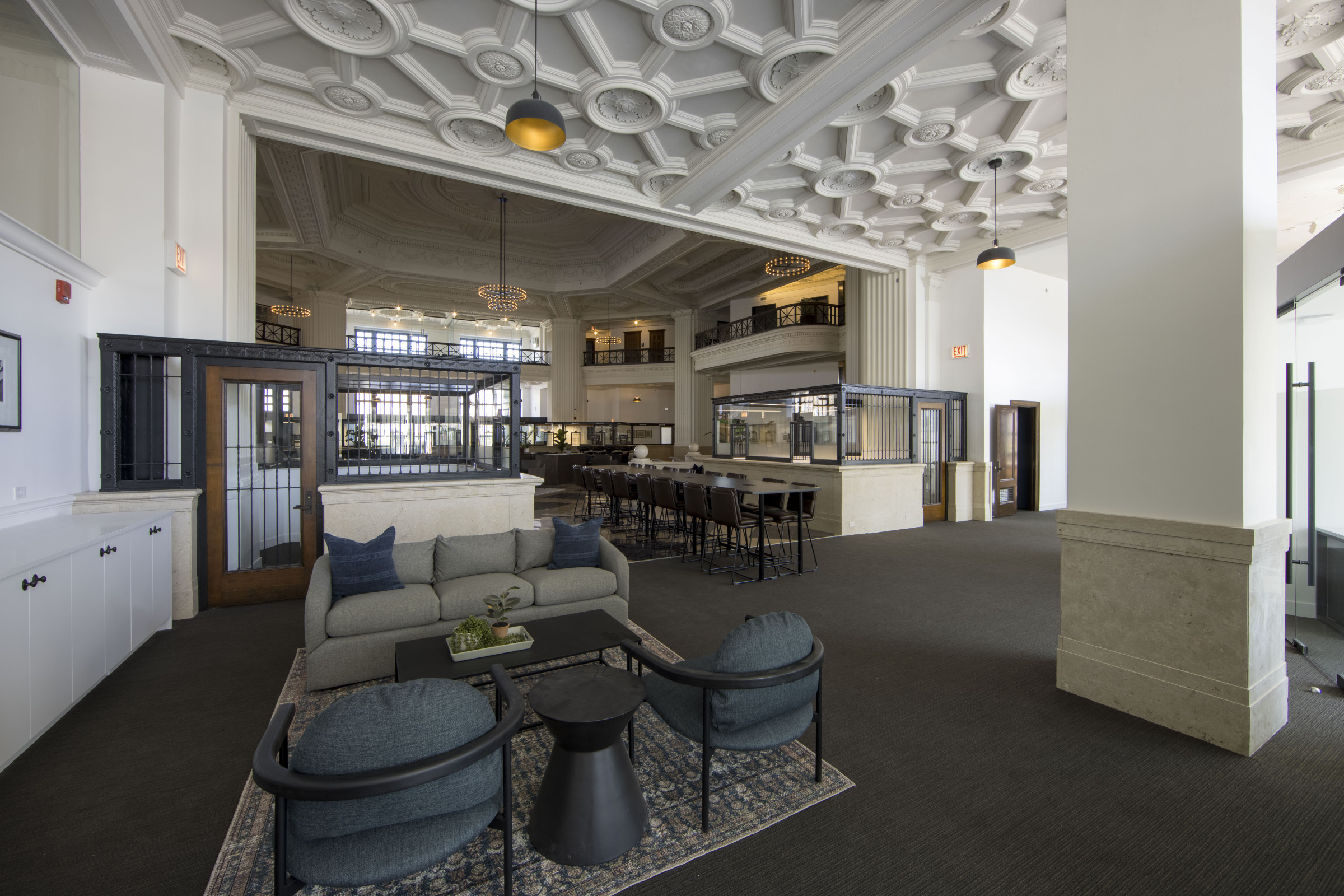
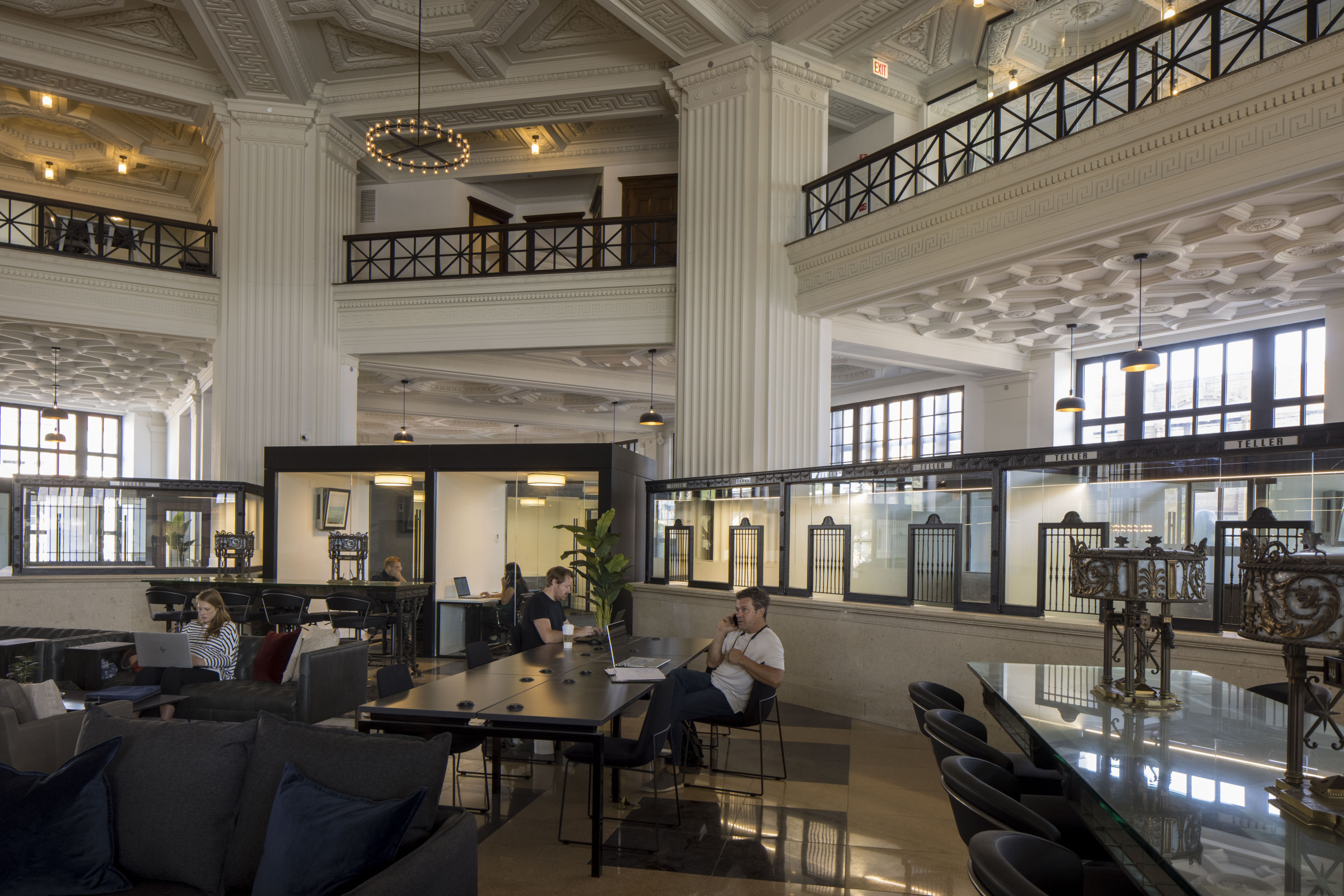
The repurposed banking hall, now home to sound-proof offices, work desks, and a lounge area
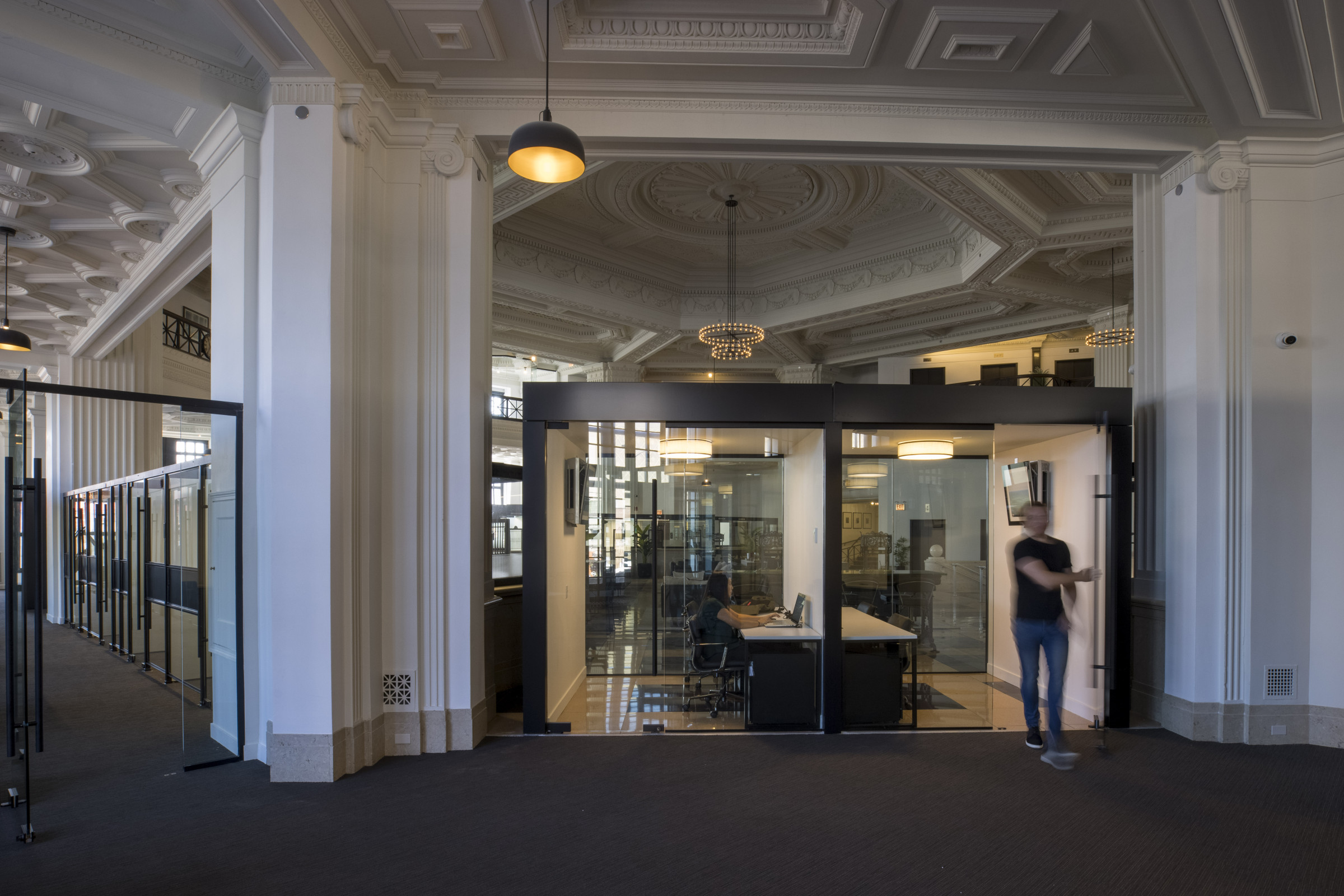
In order to maintain the beautiful ceiling, yet accommodate the function of enclosed coworking offices, one solution we offered was to make the floor-to-ceiling, sound-proof offices partially octagonal in plan — working with, not against, the geometry of the coffered ceiling.

The entire exterior of the building — including windows, cladding, roof additions, signage, and virtually every other visible part of the exteriors — was reviewed. During this process, we found that a large number of areas in the building besides the beautiful banking hall were also historically significant. In fact, on the ground floor, the connecting corridor and lobbies, the staircases, and the northeast retail space all feature historic elements that must be preserved, even as we adapt them for new functions.
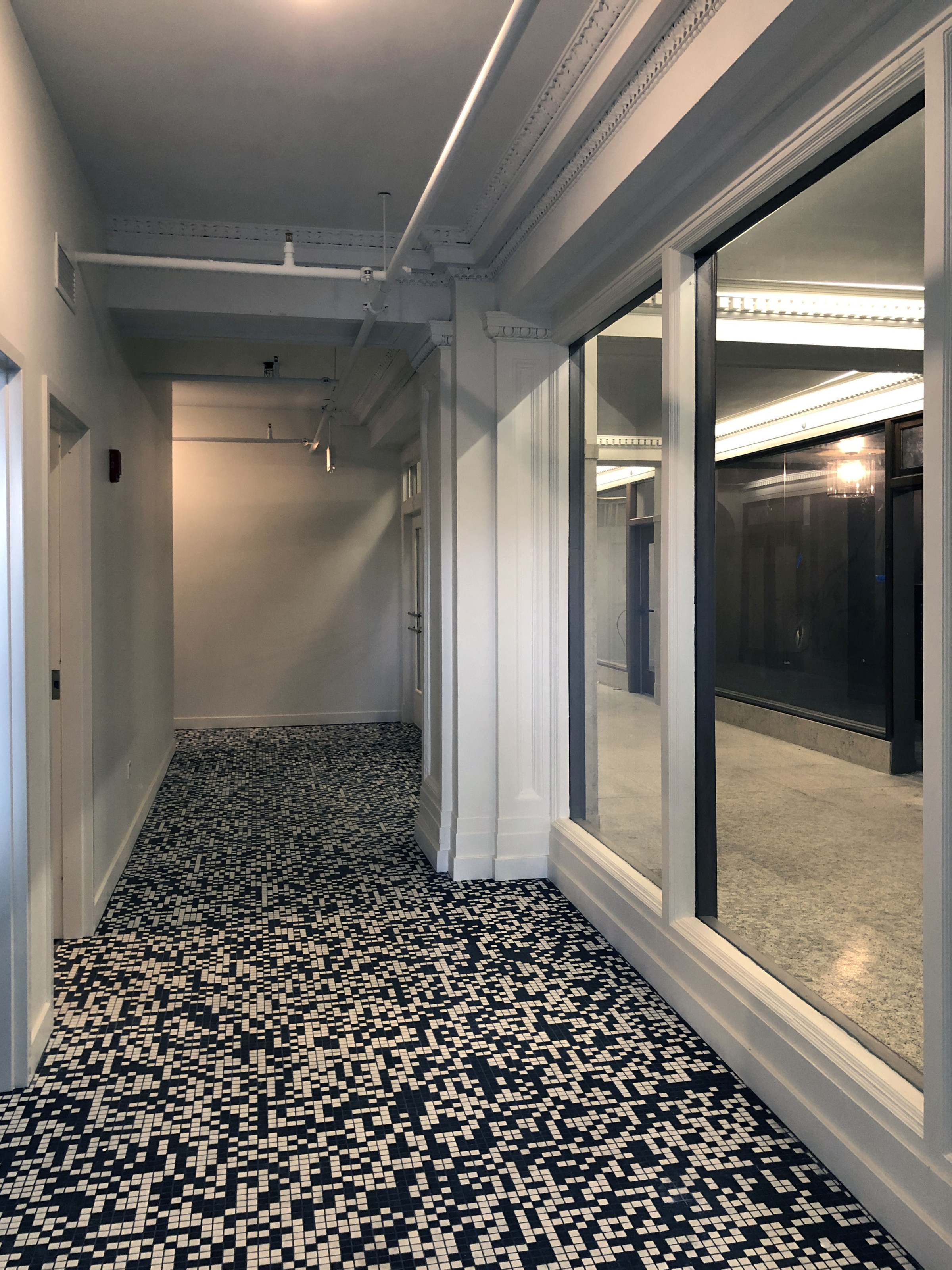
Northeast retail space looking to first floor retail corridor
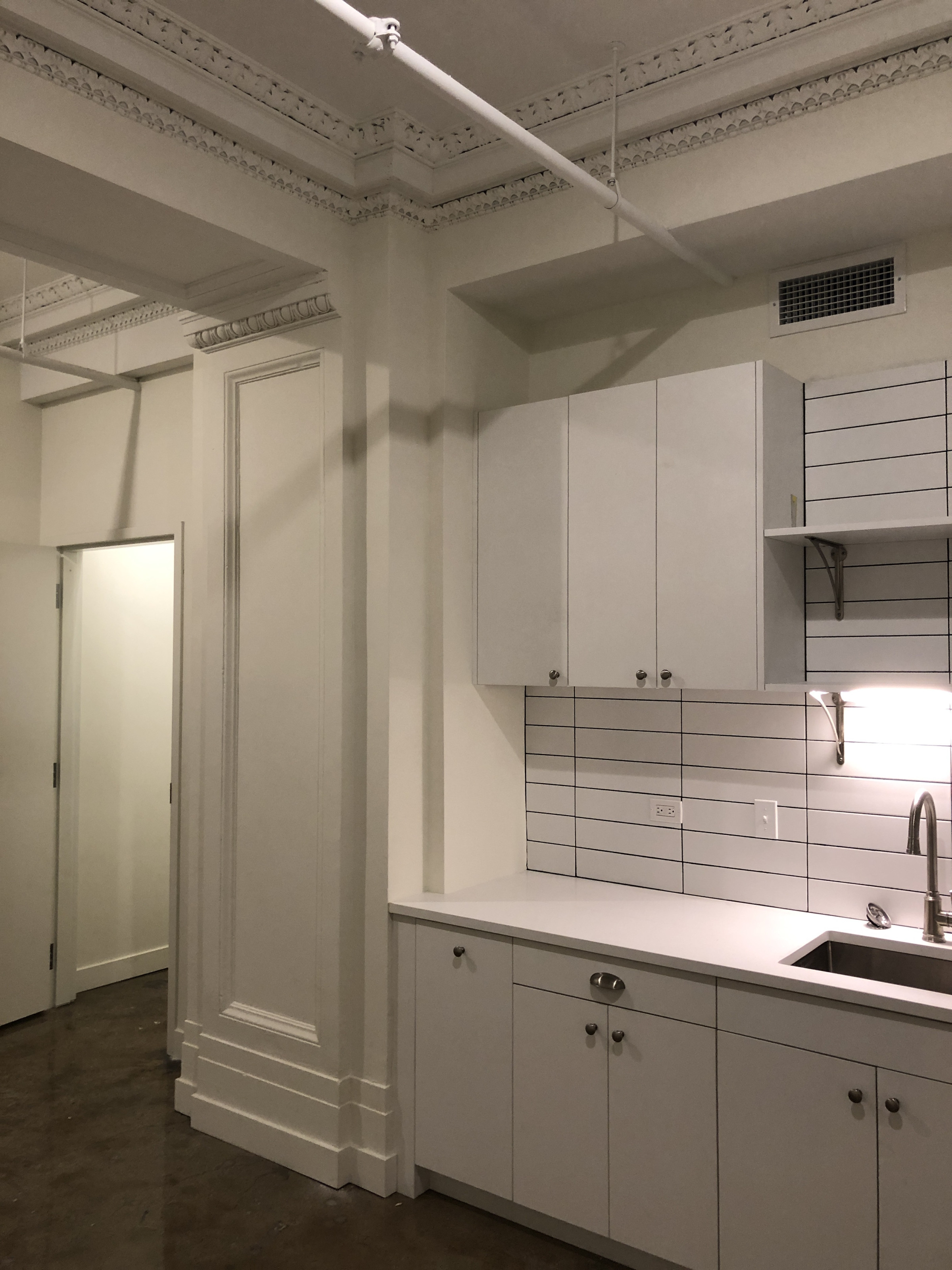
Northeast retail space on first floor
The National Parks Service also had purview over the more repetitive corridors and elevator lobbies, which remained relatively intact on all of the upper tower floors. These corridors feature large doors, transoms, and glazed walls, all of which must be maintained. During this stage of the review, our work with PMC’s point cloud scanning technology came in handy, which you can read more about here.
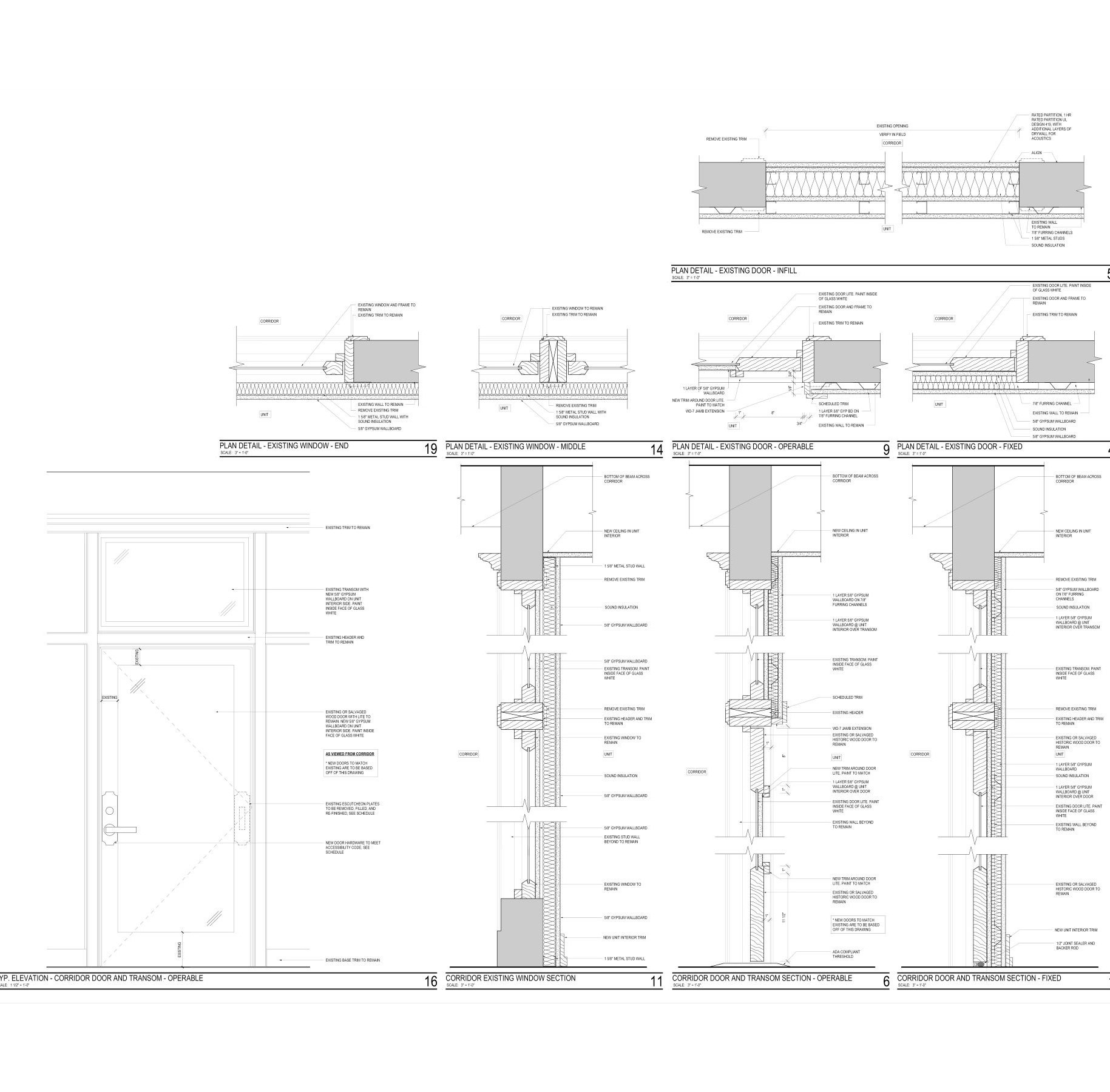
Detail drawings for corridor doors
The landmark review process has been long, but it’s absolutely worth the time and effort to preserve the character of such an incredible building. We are very grateful for all the help we’ve received to protect this beautiful historic site, and we’re delighted with how the project is progressing. We look forward to its completion!