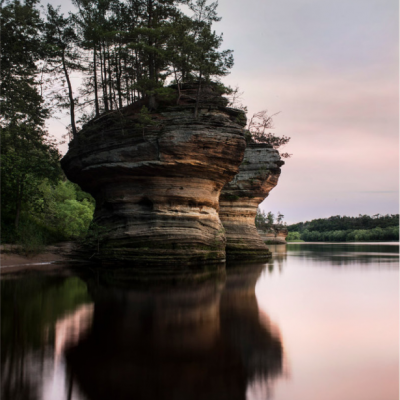
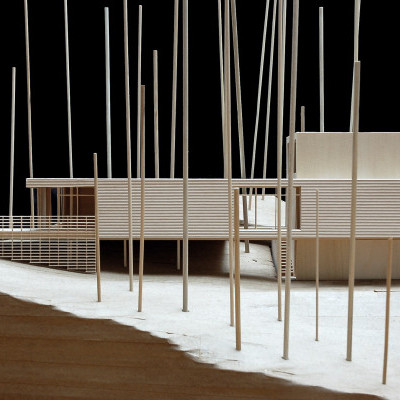
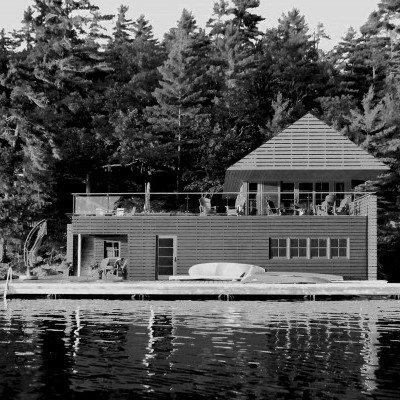
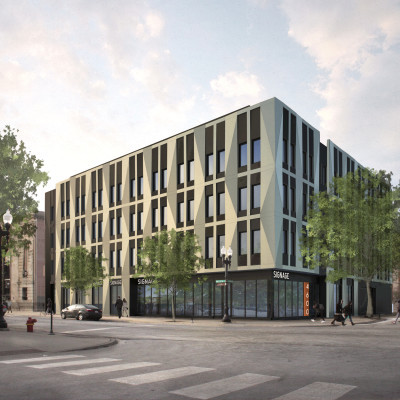
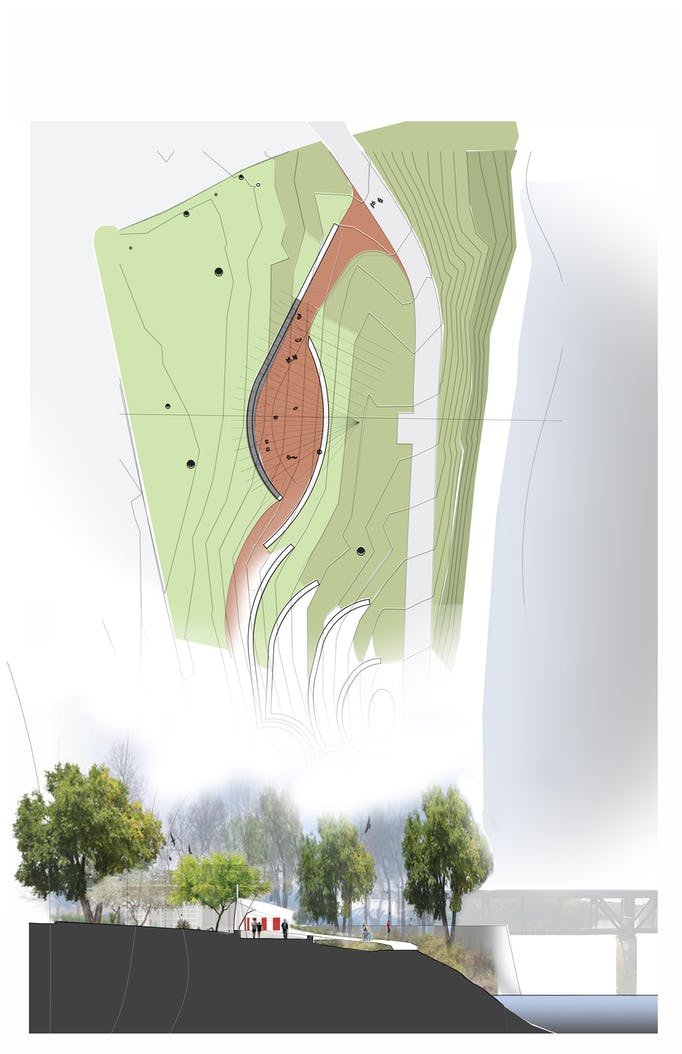
Wisconsin Dells has been a tourist destination for 150 years; its miniature golf, dinner cruises, and water parks bring summer vacationers to the area religiously every summer. But the beauty of the Wisconsin River weaving through dramatic rock formations is what originally put the Dells on the map. Joseph Leute grew up in the area and has been photographing the River ever since his professor at the University of Wisconsin-Madison encouraged him to pursue the subject. Leute's passion for telling the story of the River led him to obtain a grant to install a permanent outdoor exhibit on the riverbank, which would display a series of his photographs. Level was invited to investigate and develop a design for the exhibition, titled “Soul of the River.” Our design centered around the creation of an outdoor room carved into the natural rolling landscape at the river’s edge. The structure is functionally programmed as a linear easel, creating a surface suitable for mounting large-scale photographs depicting the river’s history. The uniquely shaped landscape of the river's edge is among the most interesting in the Midwest, and has been captured in photographs extensively by H.H. Bennett, who introduced the world to this remarkable terrain in the years between 1865 and 1908.
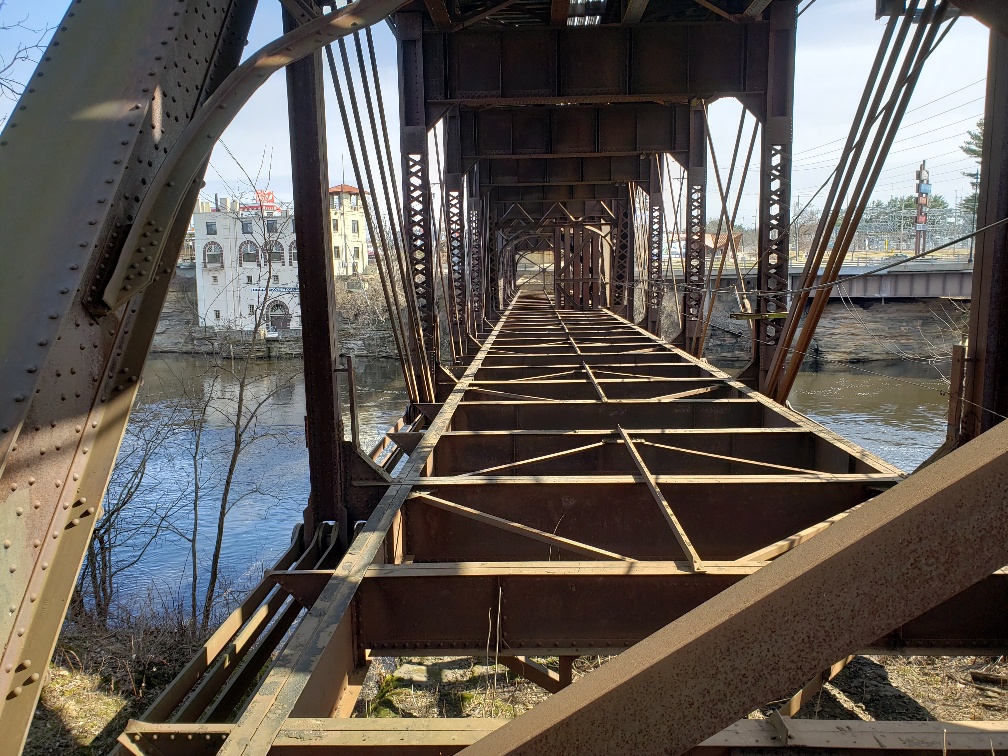
The steel structure of the railroad bridge in contrast to the dramatic natural conditions suggested an opportunity to investigate different materials. Various forms and finishes of steel were explored until the team found a solution in a steel profile that is typically encased in concrete: rebar.
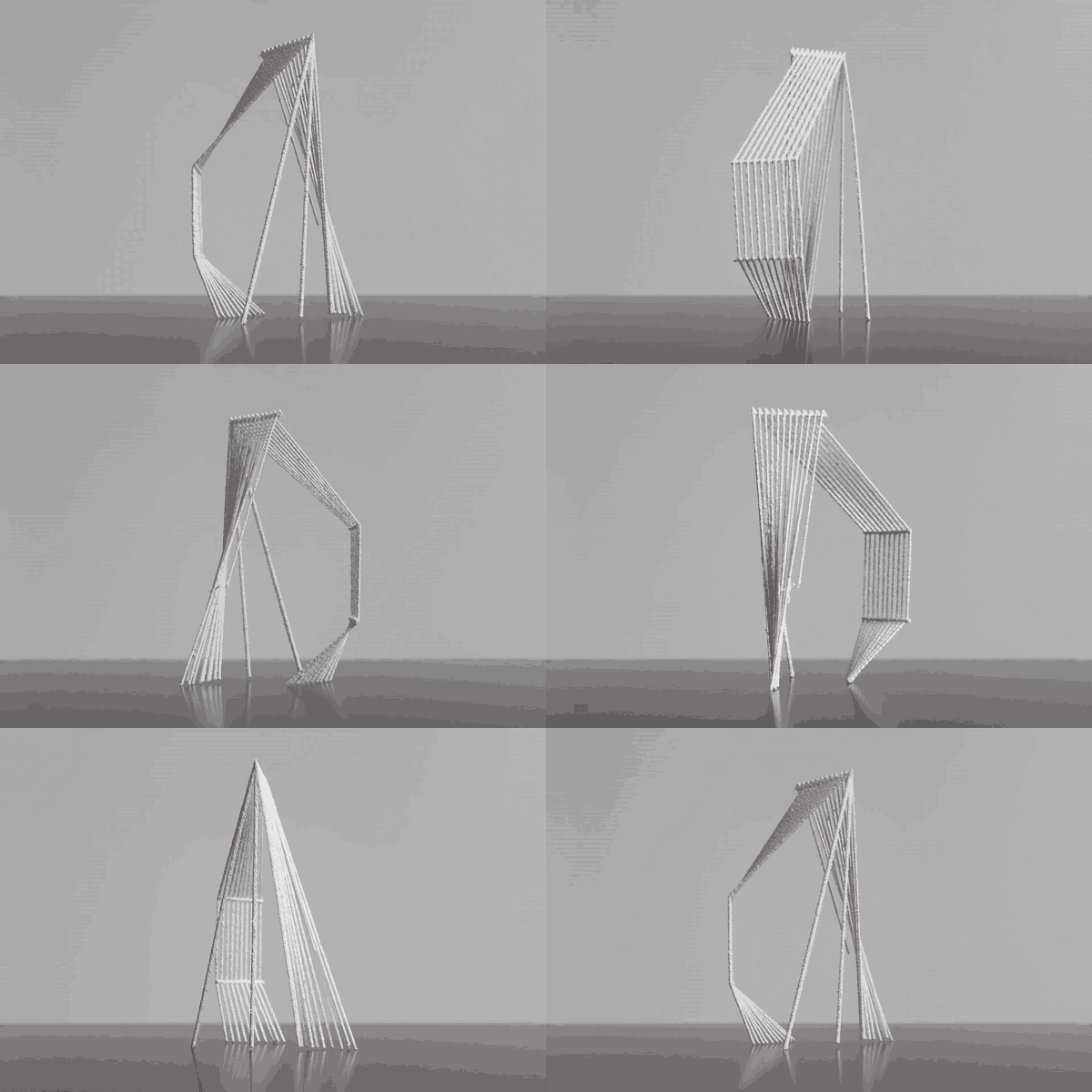
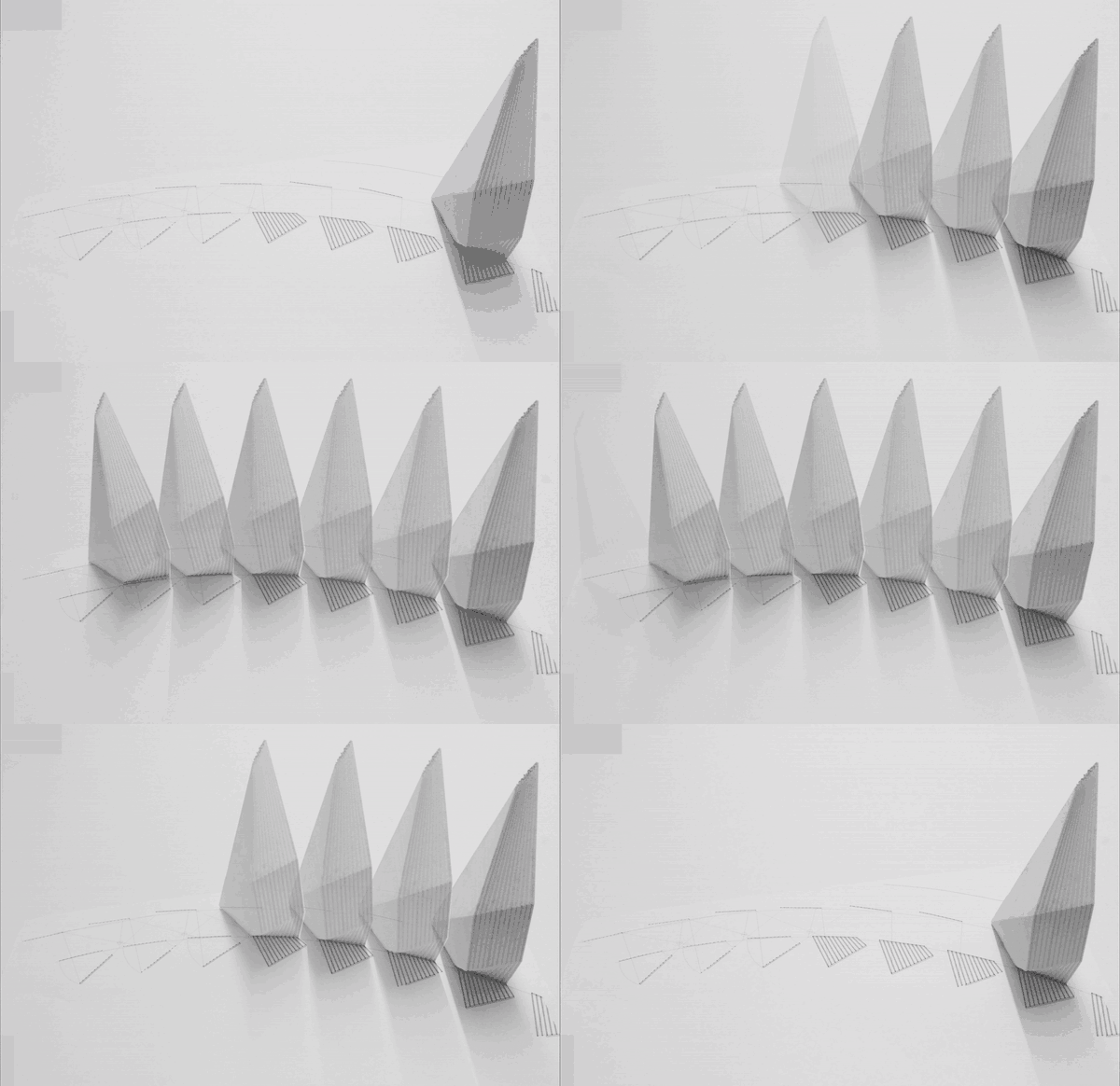
Individual rebar “cages” are designed for each photograph, creating the optimal viewing angle for the piece and incorporating an element of light. These cages are then arrayed in an arc that matches the curve of the landscape and the walls of our exhibition room.
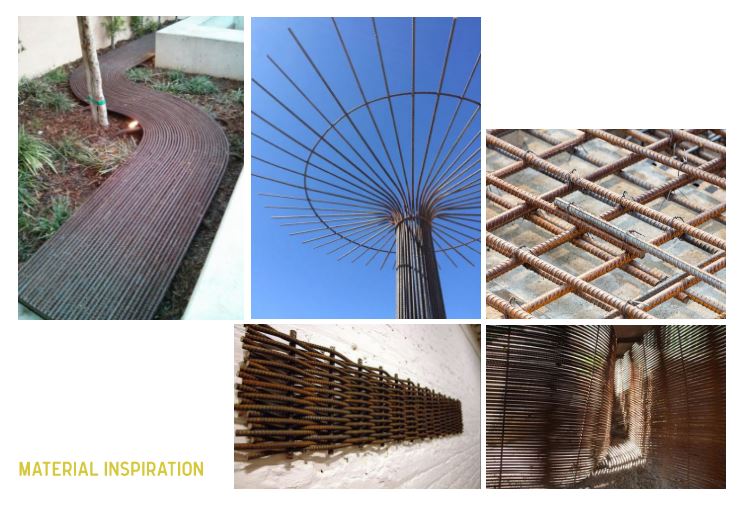
When left to rust, rebar possesses the tactile quality and the color of a warm terra cotta. This materiality references the local transportation infrastructure. It can also be assembled to resemble a veil, which creates both a sense of translucency and a backdrop for the exhibit.
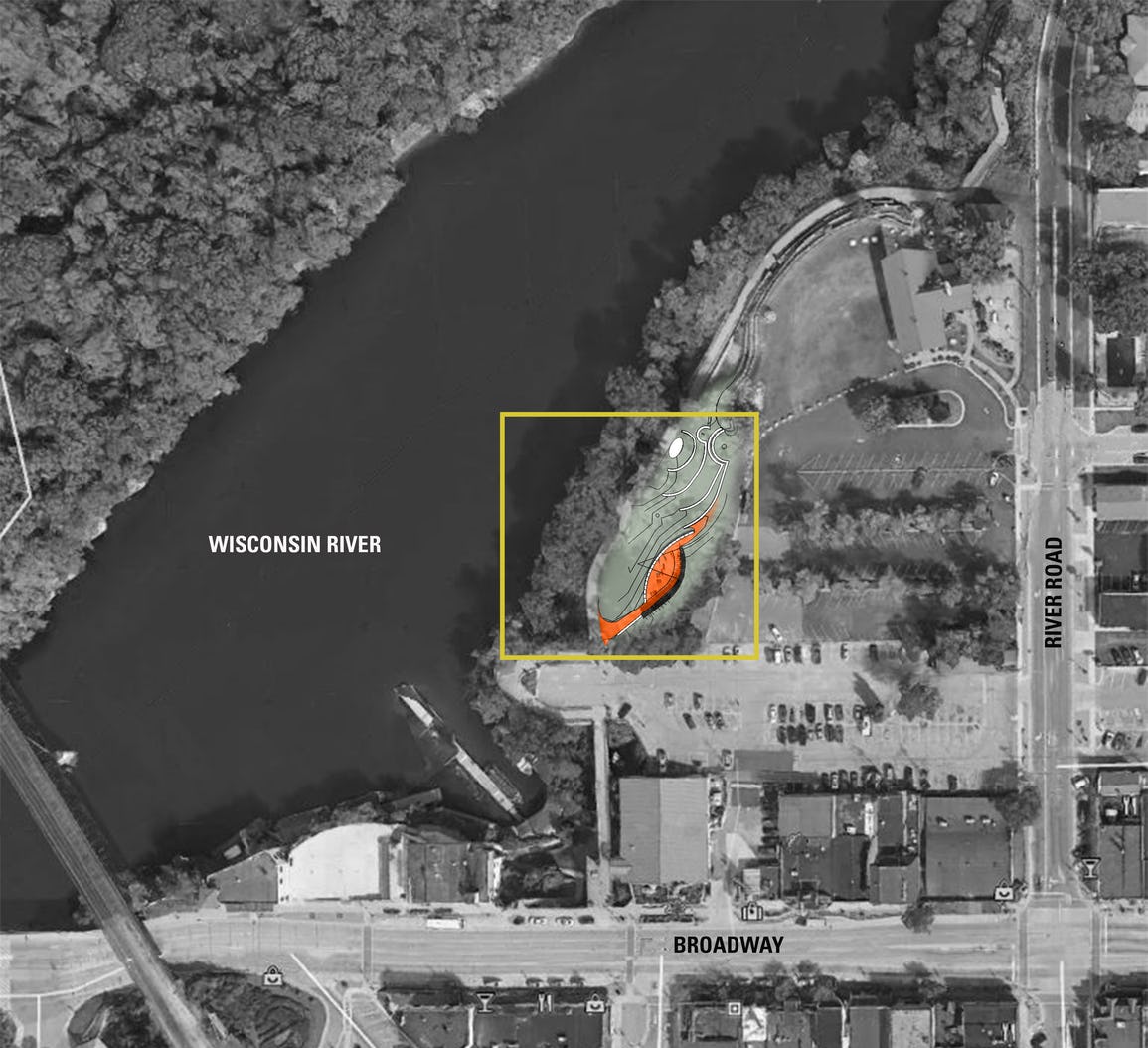
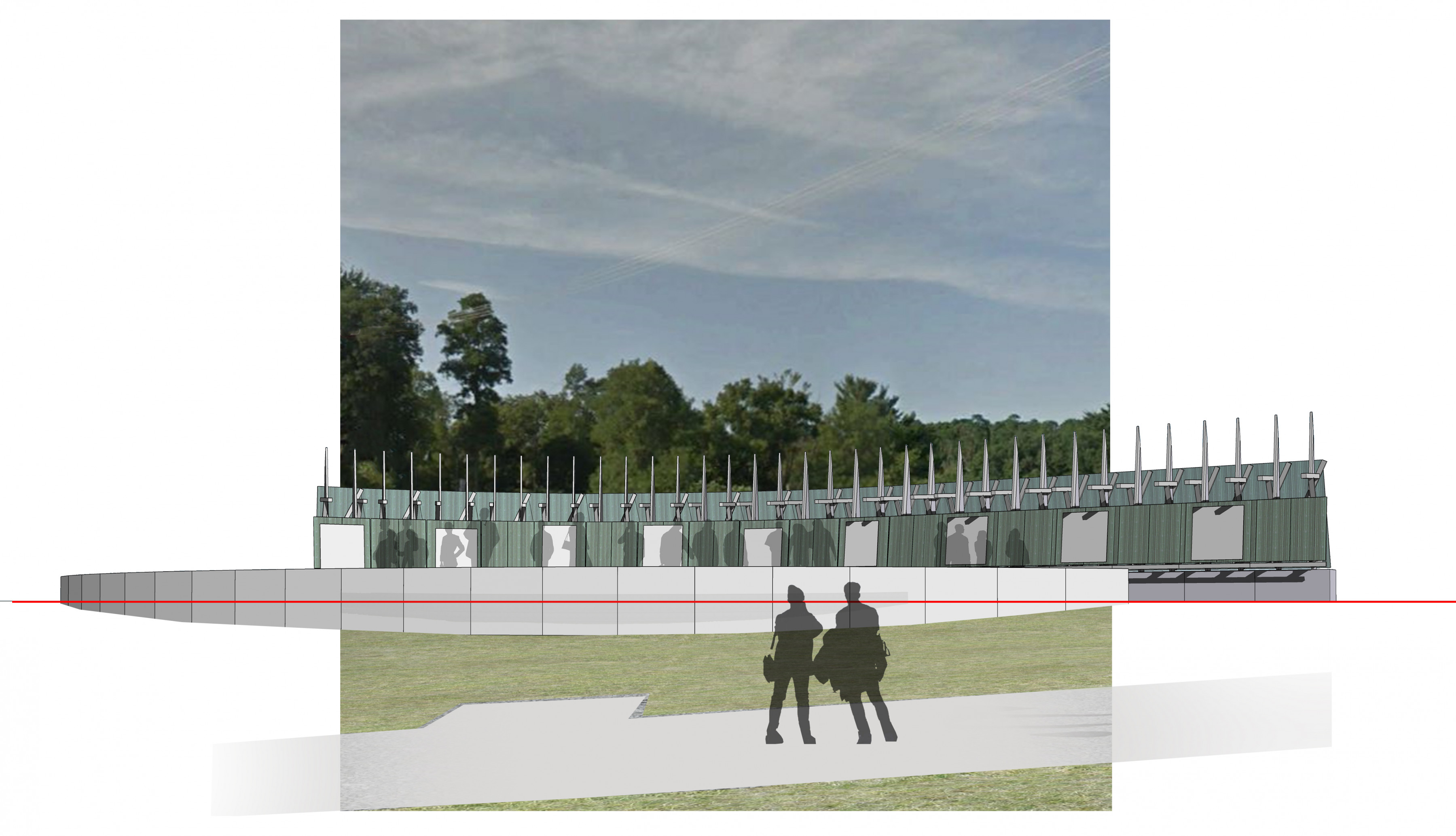
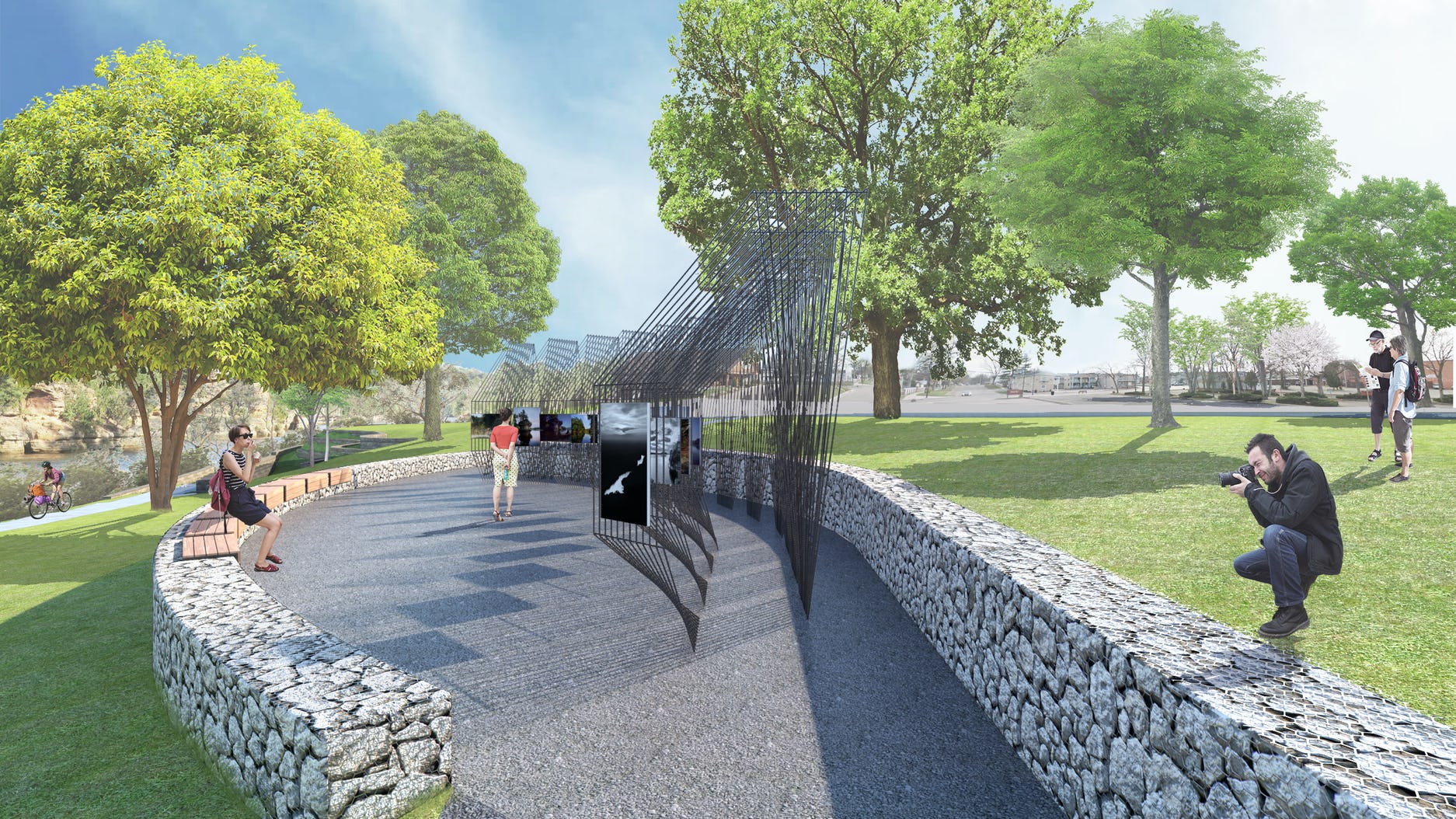
A pathway leads to the exhibit, with the rebar structures slightly canted to face the artwork towards the oncoming visitor.
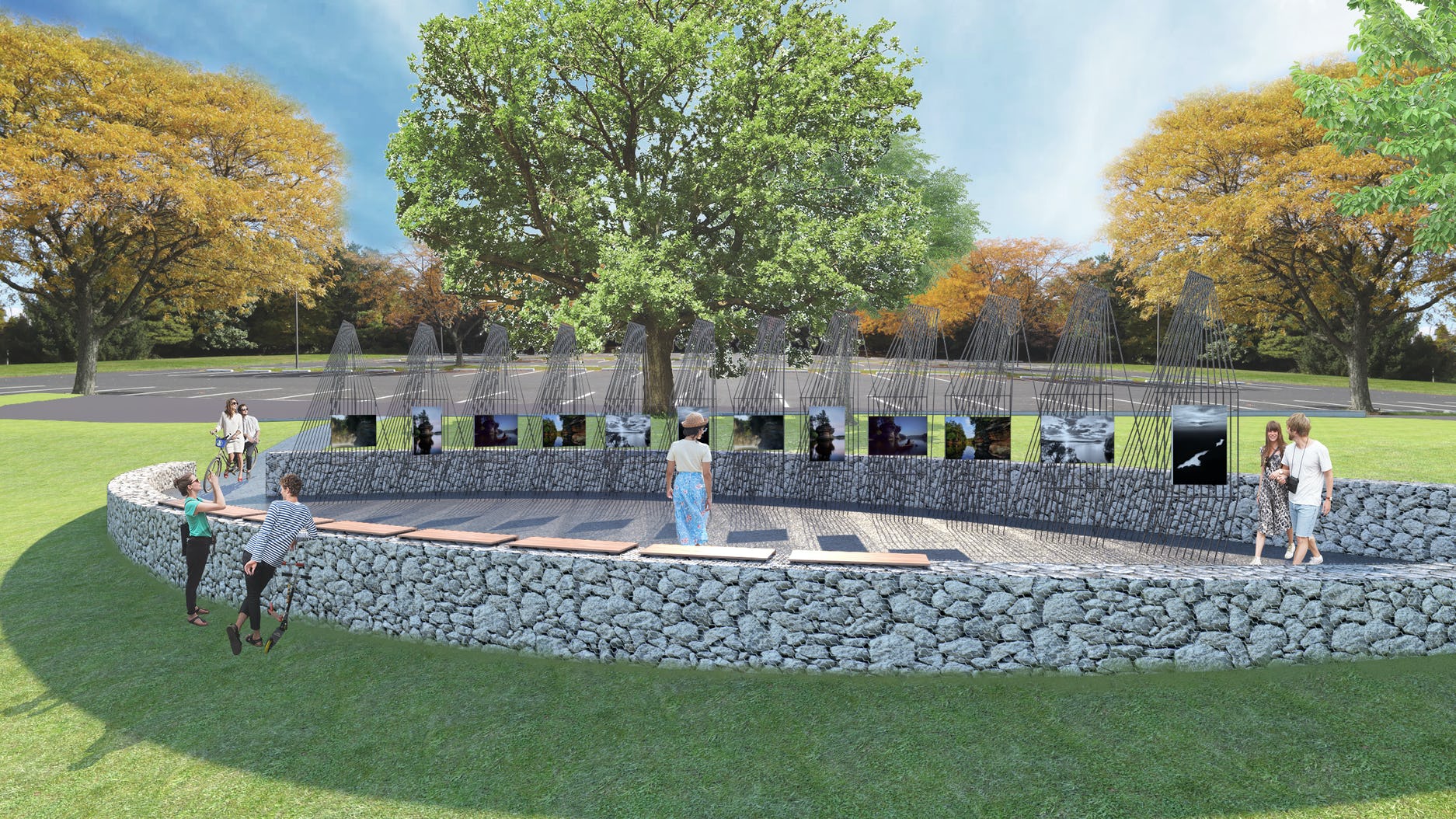
Two walls of stone gabion cages are set into the slope of the hill, creating a football-shaped room where the rebar easels are arrayed in an arc that matches the curve of the walls.
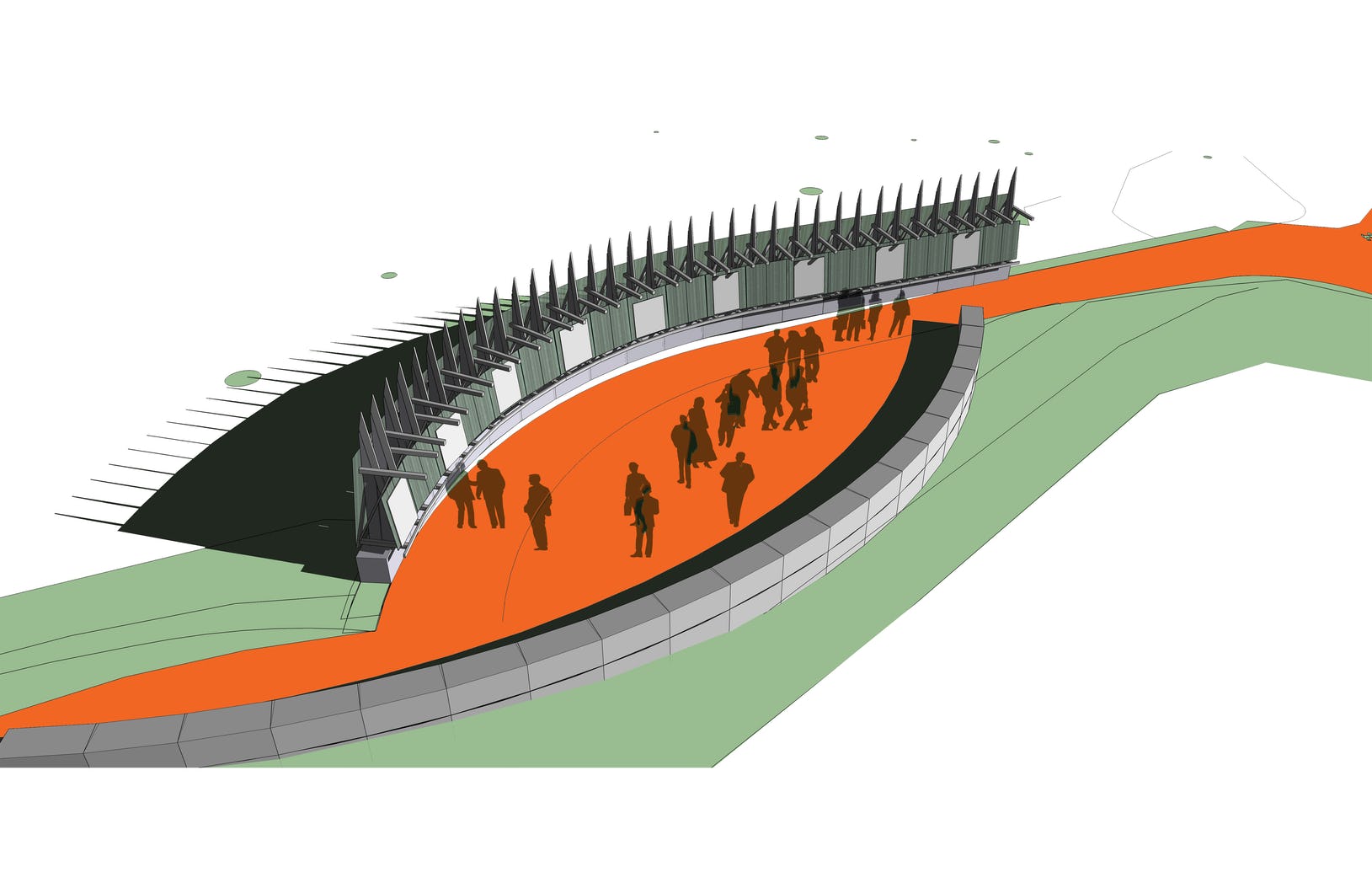
An early investigation illustrating the exhibit wall engaged with the landscape wall.
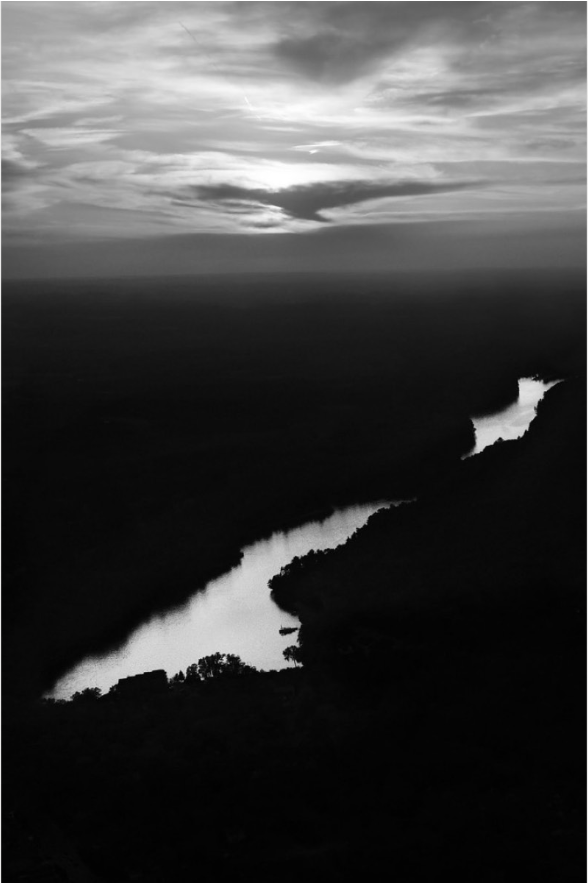
An image by Joseph Leute which was selected for the exhibit.